Access
To visit the museum, I recommend taking the train to Kanaya Station, followed by a taxi to the tea museum. The taxi ride is approximately 10 minutes and very affordable. Generally, it's a good idea to print or write out the name and address of your destination in Japanese to share with the taxi driver. In this case, locals like my driver still refer to the museum by its former name, so you can also say "Ocha no sato" and they'll know where to take you.
On my previous visit, I walked roundtrip between Kanaya Station and the tea museum which was rather scenic. However, the trek on foot to the museum is somewhat lengthy and almost entirely uphill so I would suggest saving the walk for the return trip. If you do walk, take Route 473 as it offers beautiful panoramic views, safe sidewalks, and restaurants if you'd like to pause for a meal.

Note that some GPS apps like the one I use may try to route you a different way that looks shorter but takes you down roads with no sidewalks or shoulders for pedestrians and lots of commercial vehicle traffic.
The Museum
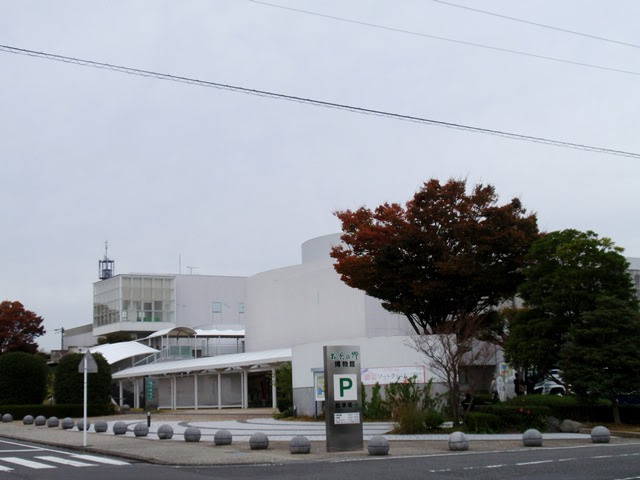
The fukiyose-style wall along the front of the building is one of the first and most obvious improvements with the more aesthetically appealing wood rail pattern breaking up the otherwise stark museum exterior.

The museum facilities include the three-story main building, the shop with a restaurant on the second floor, and the traditional Japanese teahouse and garden. From the upper floors of the museum there are several areas with large windows that provide an impressive view of the surrounding tea fields, the Oi River, and Mount Fuji on a clear day.

Admission
Inside the museum, take the elevator or stairs up to the Tickets and Information counter on the 2nd Floor to pay for admission and experience tickets. Reservations for tea ceremony must be made at the teahouse. Audio guides in Japanese, English, Chinese, and Korean are available for use with the permanent exhibits. Guided tours are only offered in Japanese and museum staff generally do not speak much English. I highly recommend using a translation app or similar device to get the most from your museum visit. Photography is allowed in public spaces throughout the museum and grounds with the exception of some rooms and displays that have No Photography signs clearly posted.


Tea in the World Experience (Japanese language only) - Learn about the tea culture of different countries. At the time of my visit, the focus was on China and Chinese green tea.
Grinding Matcha Experience - This is an opportunity to use a stone mill to grind matcha that can be taken home to enjoy.
Tea Blending Experience (Japanese language only) - Learn to blend different kinds of Japanese teas and taste the results.
Tea Ceremony Experience - There are two options: See formal tea ceremony procedures by a tea master and enjoy matcha with wagashi (tea sweet) as a guest or learn how to prepare matcha from the tea master and enjoy the matcha you made with wagashi. Reservations are required. I've had this experience before and highly recommend it.


Address:
The Shizuoka Welcome Tea is located on the 3rd Floor in the Mount Fuji Viewing Hall. Here you can taste locally produced tea which is also available for purchase in the museum shop. The Miyama no Sato sencha was a refreshing start to my visit.

Makinohara Tea Terrace Experience
There are two options for this experience: Glass Type: a bottle of freshly brewed high quality tea served in a glass and Basket Type: a portable tea set for self-brewing. Once you are provided with your equipment you can proceed out onto the terrace where you have up to an hour to enjoy your tea and the view which includes the surrounding tea fields and Makinohara Park where a statue of Eisai (Yōsai) is visible.
For this visit, I chose the basket set since I enjoy going through the motions of brewing tea. The basket includes a thermos of hot water, a glass teapot, two small tea cups, two sweets, a tray, a timer, and brewing instructions (in English for me). The tea was Jyuuichi Hitoe Yamasodachi, a deep-steamed sencha from the Tsuyuhikari cultivar representing 11 producers in different regions of Shizuoka. The sweets were Ochatsubu Dacquoise with green tea filling from Takayanagi Seicha. I highly recommend this experience!


In addition to tea on the terrace, the museum offers the following experiences:
Shizuoka Tea Experience (Japanese language only) - Learn how to brew locally grown tea. At the time of my visit, they were brewing Shizuoka wakocha (black tea).
Tea in the World Experience (Japanese language only) - Learn about the tea culture of different countries. At the time of my visit, the focus was on China and Chinese green tea.
Grinding Matcha Experience - This is an opportunity to use a stone mill to grind matcha that can be taken home to enjoy.
Tea Blending Experience (Japanese language only) - Learn to blend different kinds of Japanese teas and taste the results.
Tea Ceremony Experience - There are two options: See formal tea ceremony procedures by a tea master and enjoy matcha with wagashi (tea sweet) as a guest or learn how to prepare matcha from the tea master and enjoy the matcha you made with wagashi. Reservations are required. I've had this experience before and highly recommend it.
I was a little disappointed that the chamusume bookmark-making workstation didn't make the cut for the renovated museum offerings.
Exhibits
The Tea from Around the World exhibit includes a wall of tea with interactive samples of everything from sencha to rarer teas like asukekancha and botebotecha. There are also replicas like a portion of Huxinting teahouse (Shanghai, China) that you can walk through and the two-story Jinxiu Tea King tea tree (Yunnan, China). At over 3,200 years old, the Jinxiu Tea King is the oldest and largest in the world!


The Beginnings of Tea in Shizuoka exhibit includes a copy of Eisai's Kissa Yojoki, the oldest tea book written in Japan, regional tea production methods, and an example of the tea drunk by people in the Heian period in Japan and Tang Dynasty China, a mochicha (dan cha/brick tea) that was ground into powder and brewed with hot water,

The History of the Tea Capitol, Shizuoka exhibit includes a video of the temomicha (hand-rolled tea) process and tools with a comparison to machine rolling and Showa-era tea making equipment inside a replica tea shed with videos showing the equipment in use. I really appreciated being able to see this equipment in use.


The Pride of the Tea Capitol, Shizuoka exhibit includes examples of the different tea varietals grown in the region, tea cultivation, and tea blending procedures. There is also a section relating to chagusaba, the practice of growing tall grasses alongside the tea field that will be cut down and turned into mulch to feed the tea plants, and examples of the various tea customs around Japan which I especially appreciate because you can see the utensils, ingredients, and how the tea looks after it's prepared. Some of of the teas are very niche to a specific region like Okinawan bukubukucha.


Maruobara Restaurant
The restaurant is located on the 2nd Floor above the museum shop and can be accessed from the same floor of the museum. The layout and decor has improved since the renovation. Furnishings are comfortable and modern and arranged to take advantage of the view from the floor-to-ceiling windows. The food has also been upgraded, with meals that integrate tea and showcase local ingredients. I ordered the Tsuke Soba (tsukemen) Set which includes matcha soba with vegetables and pork in broth for dipping, a wasabi rice bowl where you grate your own locally-grown wasabi, and slices of matcha roll cake for dessert. Cold green tea was served at the start of the meal and hot tea was served at the end. The meal itself was tasty and filling, though it did require some patience as the wasabi grating process is rather time-consuming. I didn't mind because it made the meal feel a little more special.


Japanese Garden
Both the teahouse and garden are recreations of those designed by feudal lord and tea master Kobori Enshu who established the Enshu-ryu school of Japanese tea ceremony. The garden is a recreation of the east garden of Emperor Go-Mizunoo's Sento Imperial Palace in Kyoto, created by Enshu in 1634. It's a strolling garden with a pond and a fully-restored yatsuhashi bridge that I was especially looking forward to seeing as it was in an advanced state of disrepair during my previous visit.


Museum Shop
The shop offers a wide range of locally produced tea, teaware, food and gifts. While there is no longer a cafe, they do provide table seating where you can relax and enjoy hot or cold tea and matcha gelato parfaits.


〒428-0034 静岡県島田市金谷富士見町3053番地の2
3053-2 Kanayafujimicho, Shimada, Shizuoka 428-0034, Japan
Hours:
Tea Museum, Shizuoka: 9:00am to 5:00pm Wednesday-Monday, Closed Tuesday
Teahouse Shomokurou: 9:30am to 4:00pm
Restaurant Maruobara: 11:00am to 2:00pm Friday-Sunday, Closed Monday-Thursday